If you’re thinking about installing a pool in your backyard, one of the first decisions you’ll need to make is whether to go with fibreglass or concrete. Both have their place, but they’re very different in terms of cost, installation time, maintenance and longevity.
As pool builders with over 30 years of experience across Melbourne’s West & Regional Victoria, we’ve installed thousands of fibreglass pools and helped plenty of families weigh up their options. Here’s an honest breakdown to help you decide which is right for you.
Installation Time: Weeks vs Months
One of the biggest differences between fibreglass and concrete pools is how long they take to install.
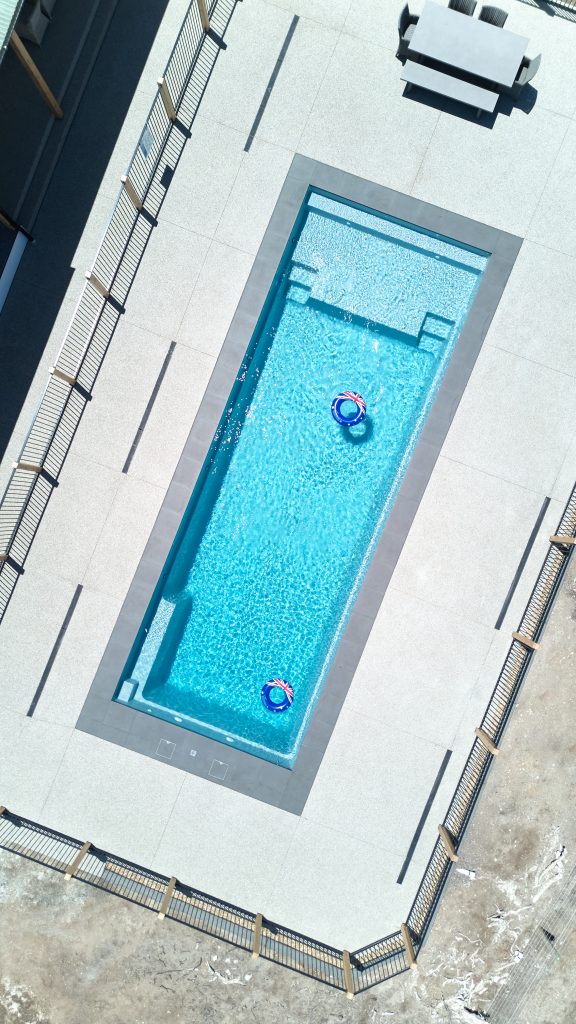
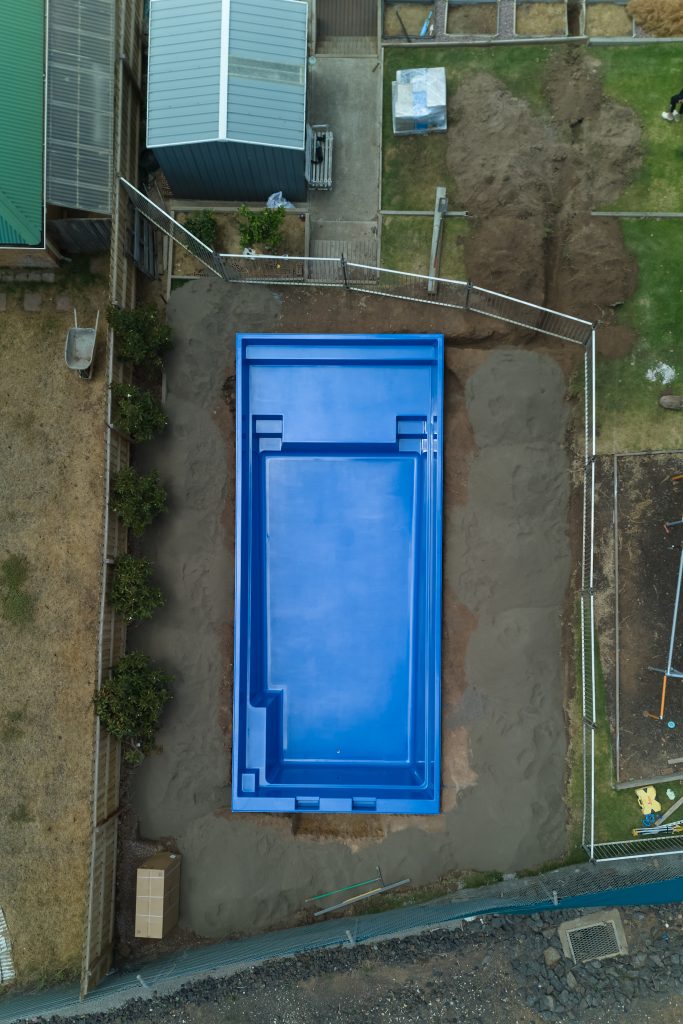
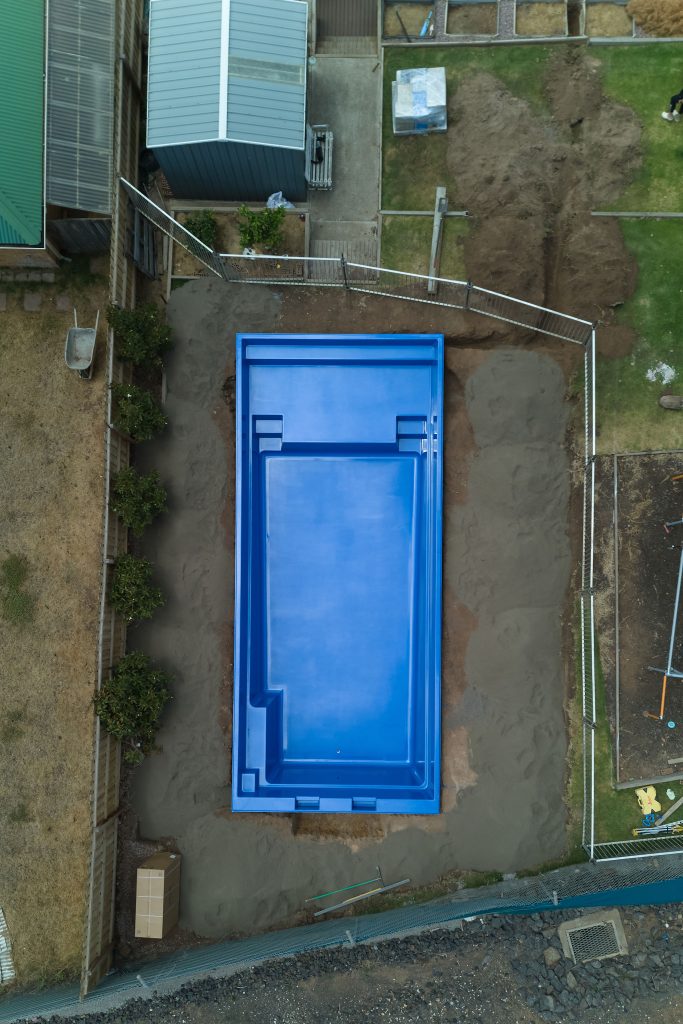
A fibreglass pool is manufactured off-site and delivered to your property as a single shell. Once it arrives, the installation process typically takes between two and four weeks from excavation to handover. The pool shell itself goes in within a day, and the rest of the time is spent on plumbing, electrical work, backfilling and finishing.
A concrete pool, on the other hand, is built on-site from scratch. This involves excavation, steel reinforcement, spraying or pouring the concrete shell, curing time, rendering, tiling and finishing. The entire process usually takes three to six months, sometimes longer depending on weather and complexity.
If you’re hoping to be swimming by summer, fibreglass is the clear winner when it comes to getting your pool in the ground quickly.
Upfront Cost vs Lifetime Cost
When comparing prices, it’s important to look at both the upfront cost and the total cost of ownership over the life of the pool.
Fibreglass pools typically have a higher upfront cost than a basic concrete pool of the same size. However, they tend to be more affordable when you factor in long-term maintenance and running costs.
Concrete pools require more ongoing maintenance. The porous surface can harbour algae, which means you’ll use more chemicals and spend more time cleaning. Concrete pools also need resurfacing every 10 to 15 years, which can cost anywhere from $10,000 to $30,000 depending on the size and finish.
Fibreglass pools have a smooth, non-porous surface that resists algae growth. This means lower chemical costs, less time spent cleaning and no need for resurfacing. Over a 20 to 30 year period, the total cost of owning a fibreglass pool is often significantly lower than concrete.
Maintenance: Easy vs Effort
If you want a pool that’s easy to look after, fibreglass has a clear advantage.
The gelcoat surface of a fibreglass pool is smooth and non-porous, which makes it difficult for algae to take hold. This means you’ll spend less time scrubbing walls and less money on chemicals. Most fibreglass pool owners find that a simple weekly maintenance routine is enough to keep their pool in great condition.
Concrete pools have a rougher, more porous surface. Algae can get into the tiny pores and become difficult to remove, especially in shaded areas or during warmer months. You’ll typically need to brush the walls and floor regularly, and you may need to use more chlorine or algaecide to keep the water clear.
The surface of a concrete pool can also become rough over time, which can be uncomfortable on bare feet and may even cause grazes if kids are playing in the pool.
Surface Feel and Comfort
This is something people don’t always think about until they’ve used both types of pool.
Fibreglass pools have a smooth, almost silky surface that’s gentle on skin and comfortable underfoot. There are no rough edges or abrasive textures, which makes them particularly family-friendly.
Concrete pools, especially those with a pebblecrete or exposed aggregate finish, can feel rough. While some people don’t mind this, others find it uncomfortable, particularly for children who like to sit on the steps or ledges.
If comfort is a priority, fibreglass is generally the better choice.
Durability and Warranty
Both fibreglass and concrete pools are built to last, but they age differently.
High-quality fibreglass pools, like the Leisure Pools range we install, are engineered with advanced materials such as Composite Armour technology, which includes Kevlar, carbon fibre and basalt reinforcement. These pools come with a lifetime structural warranty and a lifetime osmosis warranty, giving you peace of mind that your investment is protected.
Concrete pools are structurally strong, but they can develop cracks over time due to ground movement or settling. Repairs can be costly, and there’s no industry-standard warranty that matches what you get with a premium fibreglass pool.
Design Flexibility
This is one area where concrete has traditionally had the edge.
Because concrete pools are built on-site, they can be designed to virtually any shape, size or depth. If you have an unusual backyard layout or want a completely custom design, concrete gives you more flexibility.
That said, fibreglass pool designs have come a long way. Modern manufacturers offer a wide range of shapes and sizes, from compact plunge pools to large family pools with built-in benches, ledges and spa sections. For most backyards, there’s a fibreglass design that will fit perfectly.
If you need a pool longer than about 12 metres or want a truly unique shape, concrete may be the way to go. But for the majority of Melbourne backyards, fibreglass offers plenty of options.
Which Should You Choose?
Here’s a quick summary to help you decide:
Choose fibreglass if you want: – Faster installation (weeks, not months) – Lower lifetime maintenance costs – A smooth, comfortable surface – Lifetime structural and osmosis warranties – Less time spent on cleaning and chemicals
Choose concrete if you want: – A fully custom shape or very large pool – A specific aesthetic like fully tiled finishes – You’re not concerned about longer installation times or higher maintenance
For most families in Melbourne’s West and Regional Victoria, fibreglass is the practical choice. It’s quicker to install, easier to maintain and backed by warranties that give you confidence in your investment.
Ready to Talk?
If you’re still weighing up your options, we’re happy to chat. We’ve helped thousands of families find the right pool for their backyard, budget and lifestyle. Get in touch for a free site assessment and we’ll give you honest advice on what will work best for your situation.